
Vision Clarity Plan: Natural Habits to Protect & Restore Eye Health
I hadn’t always worried about my eyesight. But by age 38, I was rubbing my eyes every evening, squinting at my phone, getting headaches whenever I read for more than 20 minutes. I was terrorized by the thought: Am I heading toward needing stronger lenses, cataracts, or worse?
That unease pushed me on a journey. Over 18 months, I experimented with natural habits, nutritional shifts, lifestyle adjustments—and yes, one supplement that became a quietly powerful ally. Today, my eyes feel clearer, my visual fatigue is far less frequent, and my eye exams show stability. In this post, I’ll take you through the story of how I transformed my eye health—and how you might too.
Whether you’ve recently been told your prescription is worsening, or you’re on screens all day and your eyes feel like they’re burning at dusk—this is for you. Let’s dig into how to improve eyesight naturally (with a gentle assist) without feeling overwhelmed.

When Sight Starts to Slip
I used to pride myself on being healthy. I ate well, exercised, slept “enough.” But I also spent 8+ hours a day in front of screens (I work from home), then came home and read, watched TV, scrolled endlessly.
One evening, as I tried to read a small label on a medicine bottle, I felt my heart skip: the text looked fuzzy. My vision had always been “good enough,” but now things were changing. More days I’d wake up with eyelids heavy, vision a little dull.
I visited my eye doctor—not a dramatic change yet, but a small shift in my prescription. She said, “You’re in early zone. You can slow decline, but it will demand more than glasses.” That hit me. The solution would have to be more than another lens.
At first I felt frustrated and powerless.
A Spark of Hope
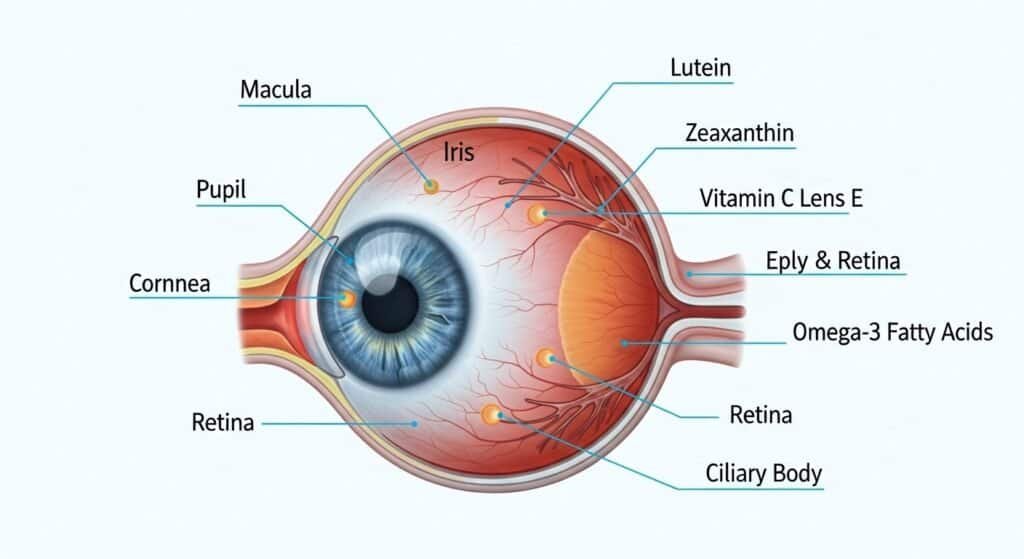
One afternoon, I stumbled across a research paper that cited how certain carotenoids (like lutein, zeaxanthin) accumulate in the macula and help filter blue light. Another article described how lifestyle — proper lighting, diet, microbreaks — could reduce oxidative stress in eye tissues.
I realized: nobody is powerless. The body’s got repair systems. The eyes are not static machines—they respond to nutrients, habits, stressors. What if those small changes, stacked over months, could shift trajectories?
That’s when I began assembling my own Vision Clarity Plan. I committed to six habits, grounded in evidence, and after a while, I introduced something I’d been cautious about: Eyevita Plus (a supplement with a blend of eye-support nutrients). But I didn’t treat it like a magic pill—just a helpful support in a broader tapestry.
My 6-Step Vision Clarity Plan (How to Improve Eyesight Naturally)
These are the habits I built in—step by step. Some felt easy, others took discipline. Over time, they changed how my eyes felt, how I saw, how resilient I became.
1. Light Your Workspace Wisely
Bright glare, contrast extremes, backlight from behind—these matter more than we think. I switched to a daylight-balanced LED lamp, angled it not to glare into my eyes or reflect off the screen. And I made sure my monitor brightness matched ambient light (not too bright, not too dark).
Over a few weeks, the “eye strain at 5 p.m.” feeling dimmed.
Image idea: A photo of a well-lit desk with soft lighting and no glare
Alt text: “Desk setup with neutral lighting and minimal screen glare”
2. The 20-20-20 Micro-break Ritual
Every 20 minutes, I’d look 20 feet away for 20 seconds, letting my focus relax. In practice, I set a soft timer on my phone. Sometimes I’d turn and look out a window, or close eyes for a few blinks.
It sounds trivial, but over a full workday, that gives your ciliary muscles micro rest. It reduced that “eyes burning by late afternoon” sensation by half within a month.

3. Nutrition That Feeds Your Eyes
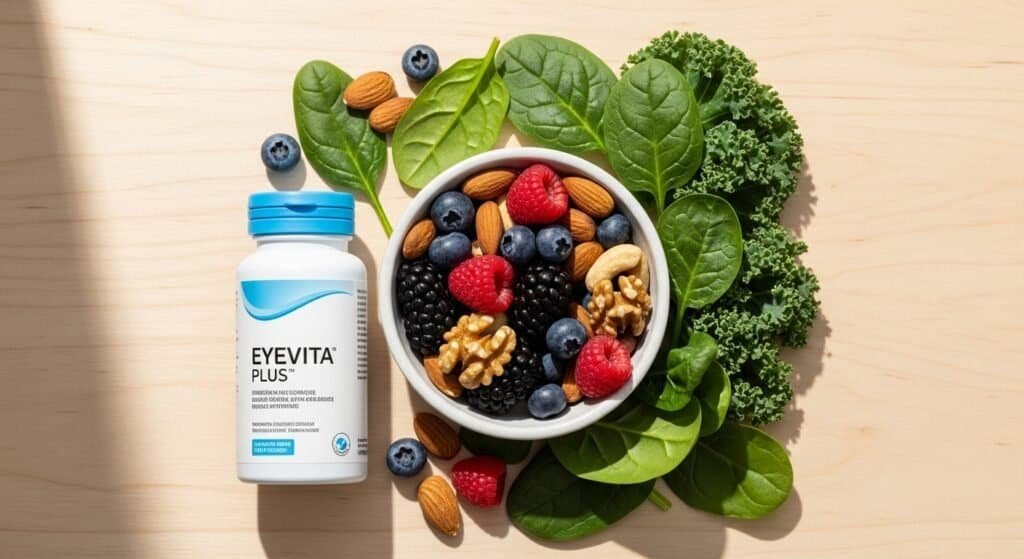
I retooled my meals. I added dark leafy greens, orange peppers, blueberries, brightly colored vegetables. I made sure I got healthy fats (avocado, olive oil) to help absorb carotenoids.
I also monitored my zinc, vitamin A, and antioxidant intake. While I could get some from food, I learned it’s hard to reach therapeutic levels without support.
4. Blue-light Moderation (not elimination)
I installed apps that reduce blue light after sunset (warmer tone). I wore blue-filtering glasses when using screens late evening. But I didn’t go extreme—some blue light is natural; I just reduced excess exposure.
At first, I noticed my melatonin felt a little better; over weeks, my eyes felt calmer after screen time.
5. Eye-Movement & Focusing Exercises
I found simple drills online: shifting focus between near and far, tracing shapes, “figure 8” eye motions. Five minutes morning and evening.
It felt like “gym for the eyes.” After a few weeks, focusing fatigue felt less intense.
Image idea: Illustration of eye-movement exercise (near to far focus)
Alt text: “Illustration of eye focusing exercise shifting focus distance”
6. Consistent Sleep, Hydration & Stress Management
This one’s basic but crucial. My body repairs while sleeping. I made it non-negotiable: 7–8 hours, screen cutoff an hour before bed, cool dark room. I upped water intake (dehydration makes eyes dry). And I wove in brief meditations to reduce systemic oxidative stress.
These six formed my foundation. In the first 8–12 weeks, I felt incremental improvements: less fatigue, less blur at dusk, more comfortable reading sessions.

Introducing a Quiet Ally: Eyevita Plus
After months of just habits, I cautiously introduced Eyevita Plus. I’d been researching eye health formulas, looking for a supplement that didn’t overpromise, but had thoughtful ingredients. Eyevita Plus claims include reducing eye fatigue, supporting retina health, protecting from blue light stress.
I didn’t expect a miracle. I viewed it like adding fertilizer to soil—you still need good seeds (habits). My thinking: if my diet, lighting, rest, movement were strong, a supplement could help fill nutritional gaps or push momentum.
Here’s what I did: I began taking the recommended dose, paired with meals. I tracked changes—comfort, fatigue, visual clarity, glare recovery.
In months 4–6, I began noticing that after a long reading session or screen stretch, the “burn” or heaviness was lighter. My eyes felt more resilient. In my annual exam, my prescription had not worsened—that alone felt like a mini victory.
One subtle moment sticks: I was driving home at dusk, noticed street signs looked crisper than a year ago. I paused and realized: I was seeing better in low-light. That was the moment I believed the combination of habits + this supplement nudged me forward.
What Science Supports This Approach?
I’m not a doctor—but I did the homework. Here’s what I found:
- Carotenoids like lutein and zeaxanthin accumulate in the macula and help filter high-energy (blue) light.
- Antioxidants reduce free radical damage in retinal tissues.
- Micro-breaks reduce accommodative stress on the ciliary muscles.
- Good lighting reduces contrast-induced strain.
- Nutrition, hydration, sleep, and stress reduction reduce systemic oxidative load, which affects microcirculation—including in the eyes.
- Some eye formulas with bilberry, ginkgo, vitamins A/E, zinc, etc., show modest support in reducing eye fatigue and improving certain visual parameters.
None of these guarantee perfect vision or reversal of serious eye disease—but together, they steer your visual landscape toward more resilience and less decline.
Turning Point Story (My 12-Month Check)
At month 12, I walked into my eye clinic with less dread than before. I told the technician, “I did something different.”
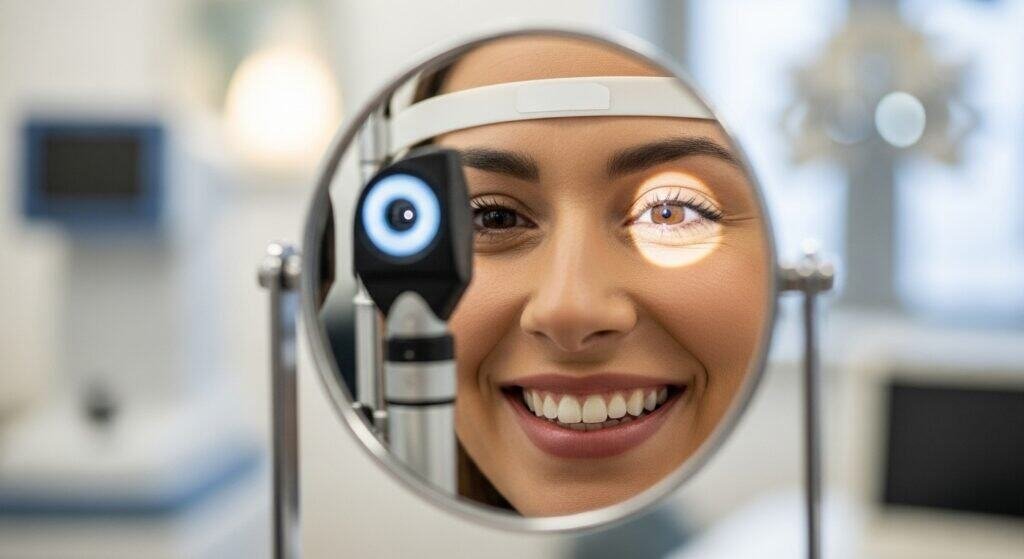
She ran the tests. My prescription had remained stable—or even slightly improved in some measures of contrast sensitivity. She remarked, “For someone your age and screen-time exposure, that’s impressive.”
I left feeling proud—not because I’d “beaten” nature, but because I’d finally engaged in my own care. My eyes felt more resilient; that late-evening reading haze was gone.
That night, I texted a friend who’d been struggling with the same fatigue. I said, “I want to help you. Here’s what I did.”
I realized this wasn’t about me—it was a story that might help others.
If you’d like to support your own journey with a carefully formulated supplement that pairs well with healthy habits, you can check out Eyevita Plus [here]. (Use this only if you’ve already tried lifestyle changes and want additional support.)
The key is this: don’t let a supplement replace habits. But when you’re consistent with the six steps above, something like Eyevita Plus can act as a gentle boost—filling gaps, smoothing edges, and supporting your inner resilience.
FAQ
1: Can I really improve eyesight naturally if my prescription is already strong?
You may not reverse structural changes like advanced degeneration or severe lens shifts. But you can likely slow further decline, reduce fatigue, improve comfort, and support what vision remains. Think of it as strength training rather than magic.
2: How soon will I notice results?
Different metrics shift at different tempos. Many people notice reduced eye fatigue or dryness in 2–4 weeks. Measurable changes (contrast sensitivity, glare recovery) often require 8–12 weeks or more. Be patient—this is a long game.
3: Is it safe to take Eyevita Plus with other vitamins or medications?
The formulation is generally considered safe for healthy adults. But because it contains zinc, antioxidants, and herbal extracts, it’s wise to check with your doctor if you’re on medications (especially blood thinners) or other supplement regimens.
4: Must I do all six habits?
The more you adopt, the stronger the synergy. But even a few—better lighting, breaks, better diet—can shift your eyeball environment. Think of it like building a house: every brick helps.
5: Does this replace regular eye exams?
Absolutely not. Supplements and habits don’t substitute for professional screening. If you notice sudden changes, flashes, dark spots, or discomfort, see an ophthalmologist immediately.
Final Thoughts & Invitation
To my fellow vision warriors: I won’t promise a miracle. But I will promise that if you commit—even imperfectly—to better lighting, movement, nutrition, rest—and optionally lean on a supportive formula like Eyevita Plus—you may surprise yourself with how much clarity you can reclaim.
Vision is deeply personal. It colors how we engage with life, how we connect with people, how we feel safe and alive. Treat your eyes as an ecosystem, not just a lens. Build habits, protect, nourish, sustain.
If you feel ready to explore Eyevita Plus as part of your path, you can check more details or order it [here]. Just remember: the supplement is the icing—not the cake. The foundation remains your daily rituals.
Thank you for reading my journey. I hope it sparks courage to begin—or re-ignite—your own vision journey.

Disclaimer:
This post may contain affiliate links. If you purchase through them, we may earn a small commission at no extra cost to you. Also, this content is for informational purposes only and does not substitute professional medical advice.