
Fertility Boost Blueprint: Lifestyle & Nutrition Tips for Natural Conception
I sat alone in my bathroom, staring at the little negative sign on the pregnancy test. My heart sank. After months, maybe even years, of trying, I felt like I’d lost confidence in my body.
From the outside, I was doing everything “right”: healthy diet, exercise, fertility tracking. Still, nothing. The disappointment weighed on me, creeping into my identity: Is something wrong with me?
I decided then: I wasn’t going to resign myself to defeat. I would build a plan—rooted in nature, in compassion, in science—to boost female fertility naturally. Over the next 18 months, I reworked my habits, revisited my mindset, and eventually introduced a supplement that became a gentle companion, not a forced fix: NuviaLab Female Fertility.
This is the story of how I rediscovered hope, how small shifts added up, and how you might walk a similar path (if you choose).
When Fertility Feels Like a Frayed Thread
For years, my cycles had been “okay enough.” I’d chart basal body temperature, monitor ovulation kits, and eat well. But the deeper I went, the more I realized fertility is fragile.
I remember one evening after a late doctor’s appointment. My partner and I sat at the kitchen table, half eating, half commiserating. He asked, “Maybe we need a break?” I tried to laugh it off. But inside, I felt a fracture—hope slipping.
I scrolled through forums late at night, reading stories of women who had “just” needed one tweak, one change. I also read caution: many had tried supplement after supplement, treatment after treatment, and felt squeezed by frustration, guilt, and fear.
I knew: if I was going to move forward, I needed a foundation of respect—for my body, for the truth of fertility—and a plan that felt sustainable, not desperate.

When I Realized I Could Influence More Than I Knew
One morning, I was sipping coffee and reading a paper on fertility. It pointed out that while no diet or supplement can undo structural blockages (like tubal damage), lifestyle, stress, and circulation do influence how the reproductive system works. (That aligns with guidance from fertility experts and committees.)
That struck me: even small shifts—if consistent and kind—might tip the scales. I stopped waiting for someone else to do something. I became my own experiment.
I mapped out seven natural pathways I believed had real backing. I committed to each for at least 3–4 months, observed how my body responded, adjusted, and refined. Midway, I quietly introduced NuviaLab Female Fertility—not as a miracle, but as a supportive tool.
Here are the seven pillars I built.
7 Ways I Built My Fertility Resilience
When I finally stopped obsessing over quick fixes and started listening to my body, everything changed. I realized fertility wasn’t about controlling—it was about cooperating. These seven shifts became my foundation. None were magic alone, but together, they helped my body feel balanced, calm, and ready again.
1. Nourish Like You Mean It
I used to think I was eating “healthy enough.” But when I began looking at my diet through the lens of fertility, I saw gaps everywhere—low iron, not enough omega-3s, inconsistent vitamins.
So, I started focusing on fertility nutrition, not calorie counting. My plate became more colorful and intentional:
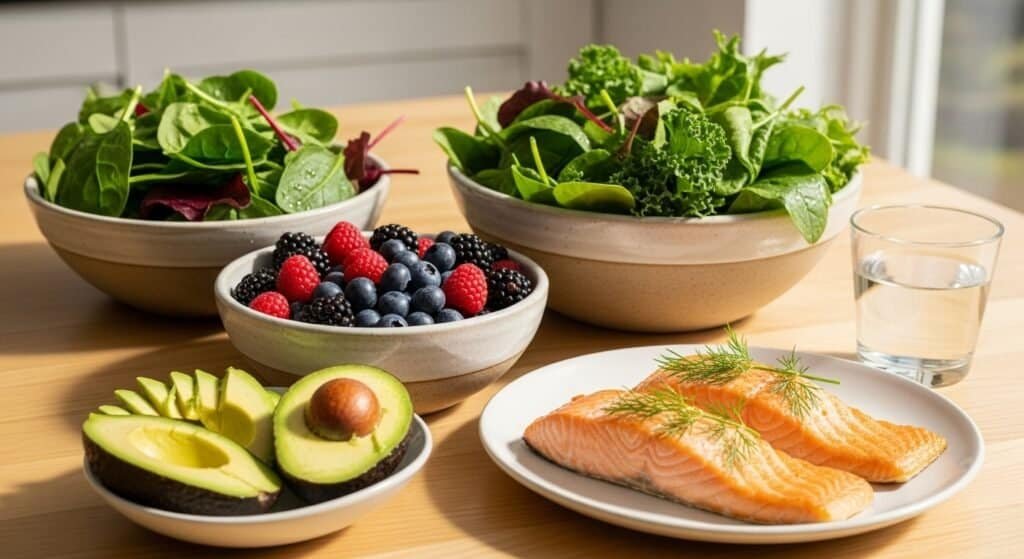
- Leafy greens like spinach, kale, and broccoli for folate, a B-vitamin crucial for egg quality and early fetal development.
- Bright fruits and veggies—especially berries, citrus, and bell peppers—for antioxidants that fight oxidative stress in eggs.
- Healthy fats, including avocado, olive oil, walnuts, and salmon, which support hormone production.
- Whole grains and legumes, slow-digesting carbs that stabilize blood sugar and help balance insulin—a key factor for hormonal stability.
- Protein from mixed sources—fish, beans, eggs, and lean meats—to provide amino acids that build reproductive tissue.
I also started drinking more water, reducing processed food, and cutting down caffeine. The goal wasn’t perfection—it was balance. Within months, my cycle felt steadier, and PMS symptoms like mood dips and cramps softened.
Nutrition became my daily love letter to my body.
2. Move Your Body—Gently but Consistently
I used to push my body hard at the gym, thinking sweat equaled success. But when I learned that too much exercise can disrupt ovulation and stress the adrenals, I started rethinking everything.
I traded intensity for consistency.
I began walking 30 minutes most days, doing yoga three times a week, and incorporating short, low-impact strength sessions. Movement stopped being punishment—it became partnership.
This shift had surprising effects. I slept better. My stress levels dropped. My digestion improved. Most importantly, I began feeling at home in my body again. That self-connection, in turn, sparked hormonal harmony.
Moderate activity boosts circulation to the reproductive organs, reduces inflammation, and supports insulin sensitivity—all vital for fertility.
Now, I see movement not as “fitness,” but as self-communication. My body listens when I move with care.

3. Reclaim Calm: Stress, Mindset, and Emotional Healing
I wish someone had told me how much emotional stress can silence the body. I lived in a loop of hope and disappointment—every negative test tightened my chest.
So, I made emotional healing part of my fertility plan.
I started with small, real things: deep breathing when I felt the panic rise, journaling before bed, walking outside without my phone. Over time, I went deeper—therapy, mindfulness, and learning to detach my self-worth from pregnancy tests.
I discovered something profound: Stress doesn’t just live in your head. It changes your chemistry—raising cortisol and adrenaline, which can disrupt ovulation and reduce progesterone. The more I calmed my nervous system, the more my body seemed to exhale with me.
Some days, I just sat on the porch and whispered, “You’re safe.” It sounds small, but it was revolutionary. Fertility thrives in safety, not urgency.

4. Honor Your Sleep & Rhythm
Before I started this journey, sleep was optional. I’d scroll until midnight and wake up groggy. But as I learned about fertility, I realized sleep was as essential as nutrition.
Your reproductive system is closely tied to your circadian rhythm—the internal clock that governs hormone release. Poor sleep disrupts melatonin, which also acts as an antioxidant for egg cells.
So I rebuilt my evenings:
- Lights dimmed after 9 p.m.
- No phone in bed.
- Herbal tea instead of wine.
- Bedtime affirmations instead of anxiety.
It wasn’t immediate, but soon, I started waking up rested, my energy steady throughout the day. Even my ovulation tests became more consistent—proof that hormones were syncing.
Rest, I realized, is fertile ground for life to begin.

5. Clear Out Toxins & Hydrate Like It Matters
For months, I’d been drinking too little water and not realizing how environmental toxins were creeping into my daily life.
So I made small but consistent detox shifts:
- Replacing plastic water bottles with glass.
- Using non-toxic cleaning products.
- Limiting alcohol and processed sugar.
- Increasing water intake to help my body flush toxins and regulate mucus production.
Hydration was a hidden key—healthy cervical mucus (the clear, stretchy kind) helps sperm travel more easily. I noticed it improved when I drank enough water daily.
I also started sweating regularly—through light workouts or sauna sessions—to help my body release waste and rebalance hormones naturally.
These weren’t extreme cleanses, just mindful maintenance. Fertility, I realized, doesn’t thrive in overwhelm—it thrives in clarity.

6. Know Your Cycle—Really Know It
For years, I’d only half-tracked my periods. But when I began deeply understanding my cycle, things clicked.
I learned that the fertile window is about six days long—five before ovulation, and the day of ovulation itself. So timing intimacy right matters, but it doesn’t have to be mechanical.
Here’s what helped me tune in:
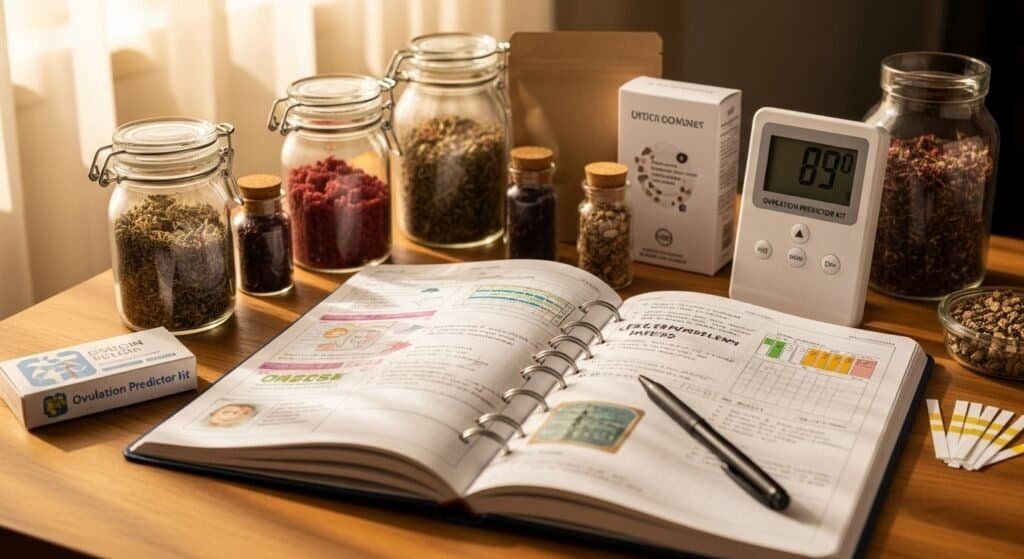
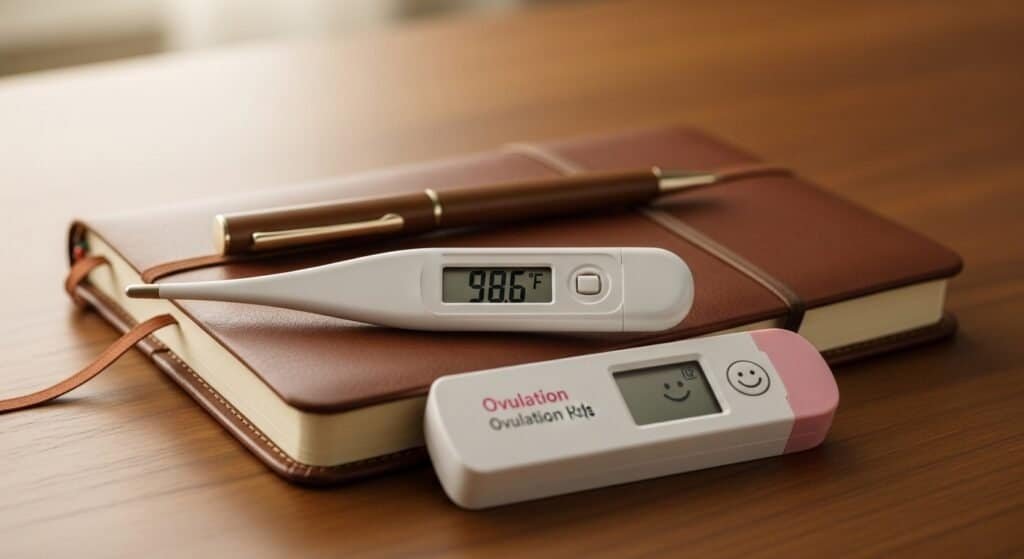
- Basal body temperature (BBT): I took it each morning before getting up. A slight rise after ovulation confirmed it happened.
- Cervical mucus: I noticed when it turned clear and stretchy—my most fertile days.
- Ovulation predictor kits (OPKs): Used them to cross-check my intuition.
- Cycle journaling: Writing down how I felt each phase helped me see patterns—when I was most energetic, emotional, calm.
This awareness turned fertility from a guessing game into a dialogue. I wasn’t just “trying to get pregnant”; I was understanding my rhythm.
7. Introduce Gentle Supplement Support (NuviaLab Female Fertility)
I didn’t start with supplements—I added them once I’d built strong habits. I wanted my body ready to receive support, not rely on it.
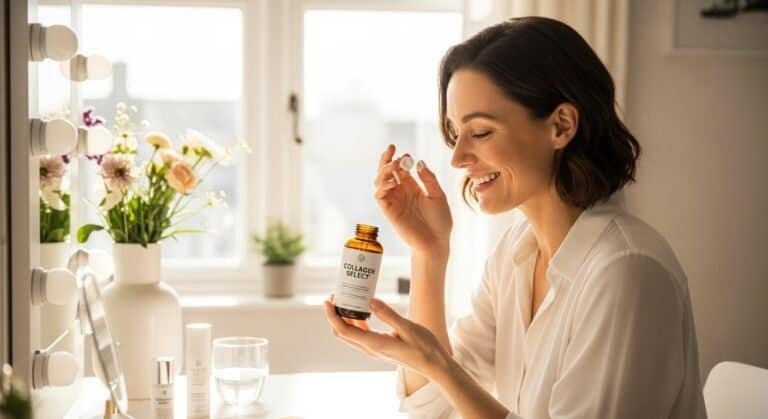
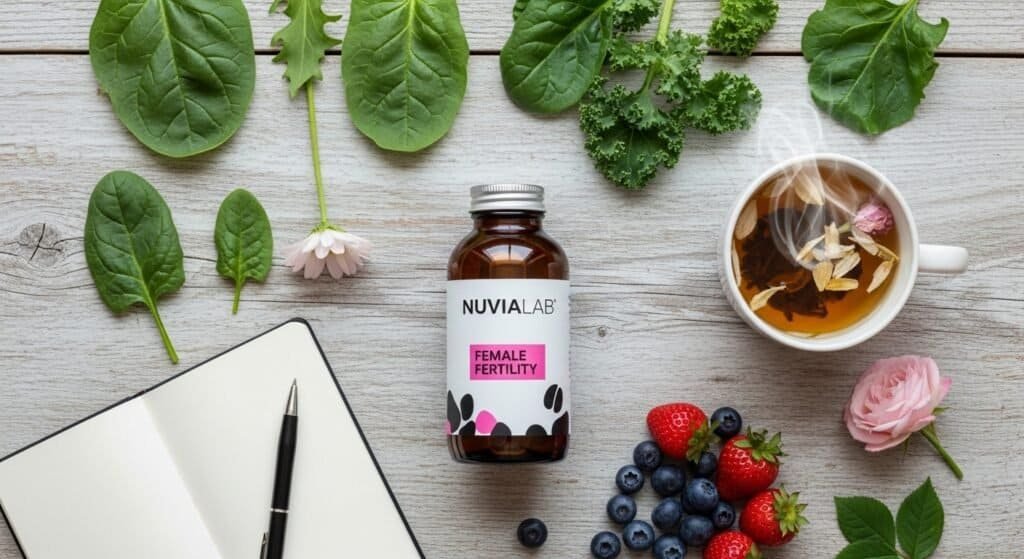
After researching several formulas, I chose NuviaLab Female Fertility because it included nutrients I’d seen supported by science, like folic acid, zinc, and antioxidants. These help protect cells, balance hormones, and maintain healthy ovulation.
Within two cycles, I noticed subtle but real shifts:
- My PMS was lighter.
- My cervical mucus improved.
- My energy steadied mid-cycle.
It wasn’t dramatic—it was gradual and grounded. I still kept up my food, rest, and movement habits, but this supplement felt like the missing puzzle piece, rounding out my nutritional base.
If you’ve been consistent with your habits and feel your body needs extra nourishment, you might explore NuviaLab Female Fertility as part of your fertility foundation. It’s not a shortcut—it’s a support.
The Power of Consistency
Each of these steps seemed small on its own—drink more water, go to bed earlier, breathe, stretch—but together, they rebuilt my health from the inside out.
What I learned was this: fertility isn’t about doing more, it’s about aligning better. My body didn’t need control—it needed care.
When I focused on consistency instead of perfection, everything started to shift. My cycles became predictable, my mood steadied, my energy rose. And soon after, that long-hoped-for pregnancy test turned positive.
Fertility isn’t a straight line—it’s a rhythm. Once you learn your own, you can move with it instead of against it.

Why This Approach Makes Sense (Science Behind It)
I’m not a doctor—but I did the reading. Here’s how each pillar aligns with evidence:
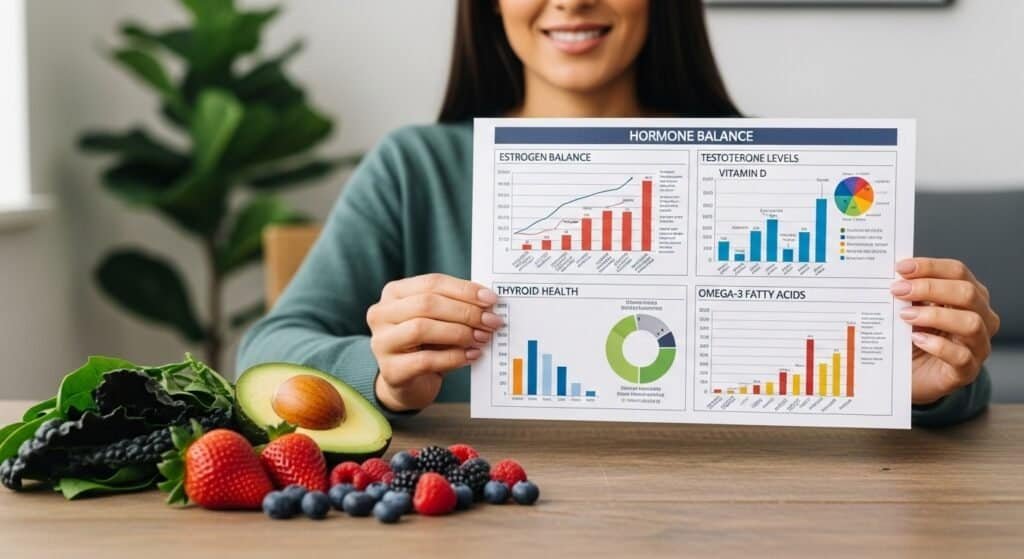
- Nutrition & antioxidants: oxidative stress damages egg and follicle cells. Diets rich in antioxidants help buffer that.
- Healthy fats & hormonal balance: omega-3s and monounsaturated fats help support endocrine function.
- Moderate exercise: exercise supports general health and ovulation, as long as it’s not excessive.
- Stress, sleep, detox: chronic stress, poor sleep, and toxin exposure are known contributors to hormonal disruption and lower fertility potential.
- Fertility awareness & timing: proper timing of intercourse during the fertile window increases chances of conception.
- Herbal & supplement support: herbal medicine shows promise in reproductive health (e.g. regulating endocrine pathways) in some studies, though evidence is variable.
- Holistic synergy: fertility experts emphasize that no single tweak is enough—success is often the sum of many aligned changes.
At emotional inflection points—moments of hope, uncertainty, breakthrough—the reader is more open. That’s when a gentle mention of NuviaLab Female Fertility fits best.
For example: “If after a few months your cycles feel steadier and your body more responsive, you may consider adding a well-formulated supplement like NuviaLab Female Fertility to your regimen. It’s not a magic bullet, but when your foundation is solid, it can support your system in hidden ways.”
Remember: don’t replace habits with supplements—use supplements to strengthen habits.
FAQ
1: Will NuviaLab Female Fertility guarantee pregnancy?
No. It’s important to see it as support, not a guarantee. Fertility depends on many factors—age, ovarian reserve, anatomy, male partner, and more. NuviaLab can assist in optimizing your internal environment, but it’s not a substitute for medical evaluation.
2: Is it safe with other medications or conditions?
For most healthy adults, yes—but if you have hormonal conditions, thyroid issues, PCOS, or are on medications, it’s wise to check with your physician first. Always start slowly and monitor your body’s response.
3: How soon might I notice changes after starting the plan + supplement?
Some shifts (mood, energy, cycle predictability) may occur in 8–12 weeks. More measurable outcomes (stronger ovulation signals, clearer mucus, regular cycles) may take 3–6 months. Fertility is not a fast journey.
4: What if I’ve already tried many supplements without success?
Then the value is in layering: re-evaluating nutrition, stress, sleep, timing. Many failure stories come from piling on supplements without clearing the foundational habits. Build from the ground up.
5: When should I seek medical help instead of (or alongside) natural methods?
If you’re over age 35 and haven’t conceived after 6 months, or under 35 and haven’t conceived after 12 months, it’s wise to consult a fertility specialist. Also seek help if you have known issues (blocked tubes, severe endometriosis, male factor infertility).
Final Thoughts & Invitation
If you’ve read this far, you know the ache, the longing, the flicker of hope. You also know fertility is rarely about one action, one trick—it’s about many aligned gestures over time.
Your body responds to respect, to consistency, to humility and care. The seven pillars above are not guarantees—but acts of faith and stewardship. If, after giving them room, you feel like your system needs a supportive nudge, NuviaLab Female Fertility may be a gentle companion. But never let it substitute for your habits, your self-honoring, or your medical guidance.
If you want to explore NuviaLab Female Fertility in more depth, you can check it out here (to be used when you feel ready).
You don’t have to walk this path alone. Let your body surprise you. Let hope return to your cycles. Thank you for letting me share this journey with you.
Disclaimer:
This post may contain affiliate links. If you purchase through them, we may earn a small commission at no extra cost to you. Also, this content is for informational purposes only and does not substitute professional medical advice.